info
Guppy Fish Food: 10 Different Types of Food for Healthy and Active Guppies
Mar
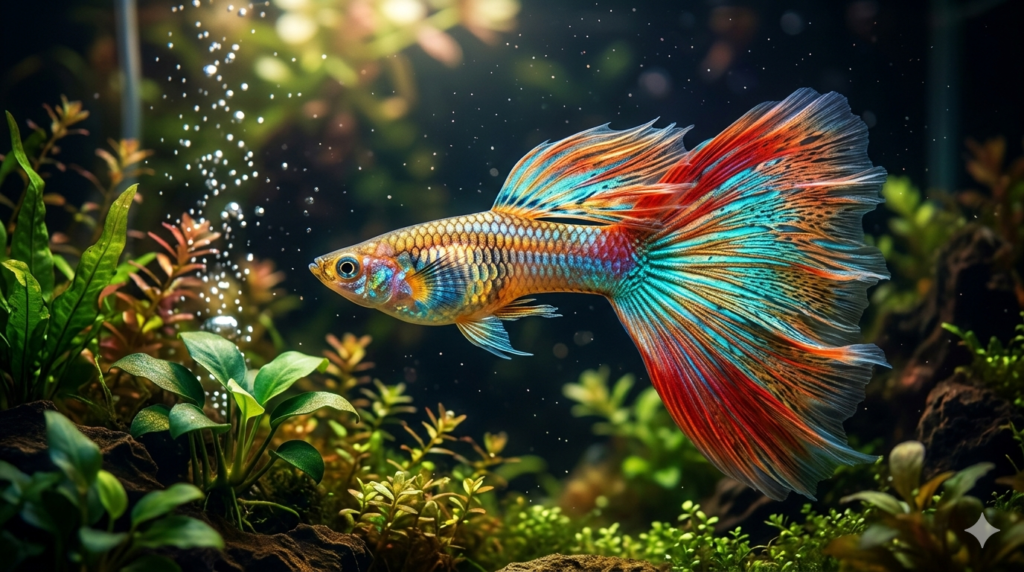
Guppies are small, colorful freshwater fish. They are peaceful and easy to care for. Many beginners choose them as their first aquarium fish. Even though they are hardy, they still need the right diet. Good guppy fish food keeps their colors bright and their bodies strong. A balanced diet also supports breeding and long life.
Guppies are omnivores. This means they eat both plant and animal foods. In nature, they eat small insects, larvae, and algae. In a home aquarium, owners must provide similar nutrition. Feeding a mix of foods helps prevent weakness and dull color. Below are 10 different types of food used for guppy fish.
1. Flake Food
Flake food is the most common guppy fish food. It is affordable and easy to find in pet stores. Most flake foods are made for tropical fish. They contain protein, vitamins, and minerals. These nutrients support daily energy and healthy growth.
Flakes float on the water surface. Guppies enjoy eating from the top. Large flakes should be crushed into tiny pieces. Small bites are safer for their tiny mouths. Only a small pinch is needed per feeding. Extra flakes can sink and spoil the water. Clean water keeps guppies stress-free and active.
2. Pellet Food
Pellet food is another popular guppy fish food option. Pellets are small and round in shape. Some float, while others sink slowly. Slow-sinking pellets are better for guppies.
Pellets usually contain more protein than flakes. Protein helps with muscle growth and fin repair. Good quality pellets also include vitamins that support immunity. It is important to choose very small pellets. Large pellets can cause choking. Feeding in small amounts keeps the aquarium water clear and healthy.
3. Live Food
Live food is close to what guppies eat in nature. It is rich in natural protein and nutrients. Guppies enjoy chasing moving prey. This keeps them active and mentally stimulated.
Brine shrimp and daphnia are common live foods. These options improve body strength and bright color. Live food also supports breeding behavior. It should be given once or twice a week. Too much live food can upset digestion. Always choose clean and safe sources to prevent disease.
4. Frozen Food
Frozen food is a safer alternative to live food. It keeps most nutrients fresh inside. Guppies usually accept frozen food without trouble.
Frozen brine shrimp and bloodworms are popular choices. The food should be thawed before feeding. Never place frozen cubes directly into the tank. Small portions are enough for a small group of guppies. Frozen fish food adds healthy variety to a guppy fish food routine.
5. Freeze-Dried Food
Freeze-dried food is easy to store for long periods. It is lightweight and simple to measure. Many fish owners use it as a treat.
Common types include bloodworms and tubifex worms. This food should be soaked in tank water first. Soaking softens the pieces and prevents stomach problems. Freeze-dried food should not replace regular meals. It works best once or twice a week as part of a balanced plan.
6. Vegetable-Based Food
Guppies also need plant matter in their diet. Vegetable-based guppy fish food supports digestion. It helps prevent constipation and bloating.
Spirulina flakes are a great plant option. Spirulina improves color and boosts immunity. Boiled peas can also be offered in very small pieces. The skin of the pea should be removed first. Plant foods balance protein-rich meals and keep the digestive system healthy.
7. Algae Wafers
Algae wafers are usually made for bottom-dwelling fish. However, guppies often nibble on them too. These wafers contain plant nutrients and fiber.
A small broken piece is enough for guppies. Large wafers may sink and go to waste. Algae wafers should only be used as a supplement. They should not replace the main guppy fish food. When used correctly, they support gut health.
8. Baby Brine Shrimp
Baby brine shrimp are ideal for guppy fry. Fry are baby guppies that need extra nutrition. They grow very fast in the first weeks.
This tiny food is rich in protein. It is small enough for fry to swallow easily. Baby brine shrimp improve survival rates in young fish. They also help develop bright natural colors. Feeding small portions several times a day supports strong growth.
9. Microworms
Microworms are tiny live worms used for young fish. They are soft and easy to digest. Many breeders use them for early feeding.
Microworms move slowly in the water. This makes them easy for fry to catch. They provide high protein for muscle development. Clean cultures are very important for safety. Microworms are a helpful addition to a young guppy fish food plan.
10. Homemade Fish Food
Homemade fish food allows full control over ingredients. It can include vegetables and protein sources. Spinach, peas, and small pieces of seafood are common choices.
All ingredients must be fresh and washed properly. The mixture should be blended into very small particles. Only tiny portions should be fed at one time. Homemade guppy fish food can be healthy when prepared carefully and safely.
Feeding Tips for Best Results
Guppies should be fed two times daily. Each feeding should last less than two minutes. Overfeeding is a common mistake. Extra food causes dirty water and health issues.
A mix of dry, live, and plant-based foods works best. Variety prevents nutrient gaps. Clean water and proper filtration are also important. Healthy guppies show bright colors and smooth swimming patterns. A balanced guppy fish food routine keeps them happy and active for years.
